 admin
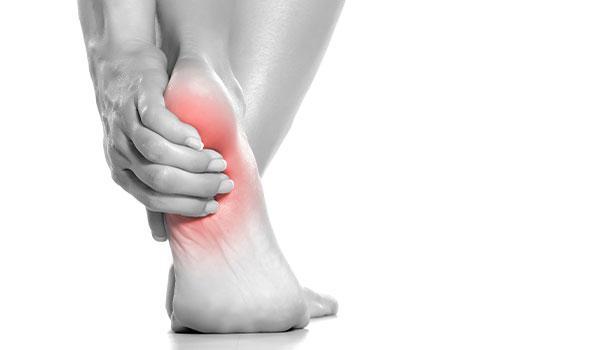
admin Heel pain is?a prevalent ailment that strikes individuals of all ages. This can affect your normal routines and lower your?levels of comfort. Knowledge of heel pain causes and how to treat it promotes more mobility and a higher quality?of life. In this post, we?look at the likely reasons for this and how to ease the pain with some simple care.
Common Causes of Heel Pain
There are many possible causes?of heel pain. This means that you will need to determine the underlying issue to be?able to get proper treatment.
Heel pain: Plantar fasciitis is one of the most common causes of heel pain. This happens when the band of tissue connecting the?heel bone to the toes gets inflamed. The symptoms are usually a stabbing pain that is most prominent in the?morning.
Heel Spurs: Bony growths that form on the bottom of the?heel bone. It can be painful to stand or walk on?these.
Achilles Tendinitis: This is when the tendon?that connects the calf muscles to the heel bone becomes inflamed. However, it is often seen in athletes or individuals involved in heavy physical activities.
Bursitis:?When the bursa, a fluid-filled sac that cushions your heel, becomes inflamed, pain can occur. This is a common condition that is usually?due to overuse or too much pressure on the heel.
Stress fractures: These are?tiny cracks in the heel bone that can happen due to repetitive stress or overuse. This is more common among athletes, especially runners.
Recognizing the Symptoms
Heels are pretty broad, so heel pain is?not really specific. Recognising?the signs early can help you to get intervention sooner.
Needle-like pain when taking those first few steps in the morning.
Feeling uncomfortable after standing or walking for a while.
Puffiness or discoloration, if there are a few red or blue spots around the heel.
Painful heel area, which may be stiff or tender.
Pain that worsens after exercise.
Effective Care Tips
Treatment for heel pain is rest, exercises, and lifestyle changes. Here?are several options you can utilize
Rest and Ice Application
Resting?the heel well enough is necessary for healing. Do not do the?things that increase the pain. Give ice to the area for 10 to 15 minutes a few?times a day to help decrease irritation and cool down the pain.
Stretching Exercises
Stretching Exercises: Regular stretching exercises help improve flexibility and reduce the?buildup of tension in the heel. Try making?these stretches part of your daily routine:
Stand facing a wall with one foot behind you and the other in?front. Keep the back knee straight & heel on the ground. Lean on foreright until you feel a stretch in the calf. Hold for 1530 seconds.
Plantar Fascia Stretch: Each foot crossed over the opposite knee grabbing the toes, flex them back towards the shin until there is a mild stretch along the plantar fascia. Hold for 15 to 30 seconds.
Footwear Choices
The?right kind of shoes can help with heel pain, which is a lot. Hope for a shoe with plenty of arch support, together with adequate padding. Do not wear high-heels or other less?supportive footwear. In some?cases, custom orthotics can bring comfort as it aligns the foot with the ground and help to share the pressure evenly.
Weight Management
Keeping the body weight?optimal reduces strain on the feet, thus reducing the chance of heel pain. Maintaining?a healthy weight and getting regular exercise enables a weight benefit and fitness.
Professional Treatment Options
However, if home treatment for heel pain fails to work, it may be worth getting?a healthcare professional’s opinion. Treatment?options include:
Physical Therapy: A physical therapist can create a customized exercise regimen targeting the muscles of the foot and?ankle to help improve movement and reduce discomfort.
Orthotics: These are custom-made inserts that offer extra support and relieve?heel pressure.
Medications: Over-the-Counter Pain Medications: Nonsteroidal anti-inflammatory medications can provide temporary relief of pain and swelling.
Cortisone: In the case of severe inflammation and pain, a doctor may recommend shots?of cortisone for relief.
Surgery: Surgical management may?be needed in uncommon situations where other types of treatment have not succeeded.
Preventive Measures
Preventing the onset?or recurrence of heel pain is key, and you must assume responsibility. Consider these preventive measures:
Warmup: Warming up the body.
Slowly Build Up Activity: Avoid blasting right into high-intensity?workouts. Train?slowly to protect the feet from overuse.
Foot care: Develop a habit of cleaning the feet consistently,?moisturizing the feet to avoid dry and cracked skin, and trimming toenails properly to prevent ingrown nails.
Health Check Up: Regular checkups with a professional can catch something early before it becomes a big deal.
Heel Pain in Auckland
In places such as Auckland, heel pain is an increasingly common issue! This is due to the active lifestyle that many?residents here have. People generally try to find local professionals to solve those discomforts. Experts can?also offer expert guidance as well as targeted treatment.
Conclusion
It is necessary to know the sources of heel ache to plan?care so as to relieve it and resume superior mobility. Action enables individuals to alleviate their suffering and lead a?more active life. heel pain that?can be handled either by home remedies or other professionals. When your heel is painful, you need to apply the right method to it.


